product spotlight
Products
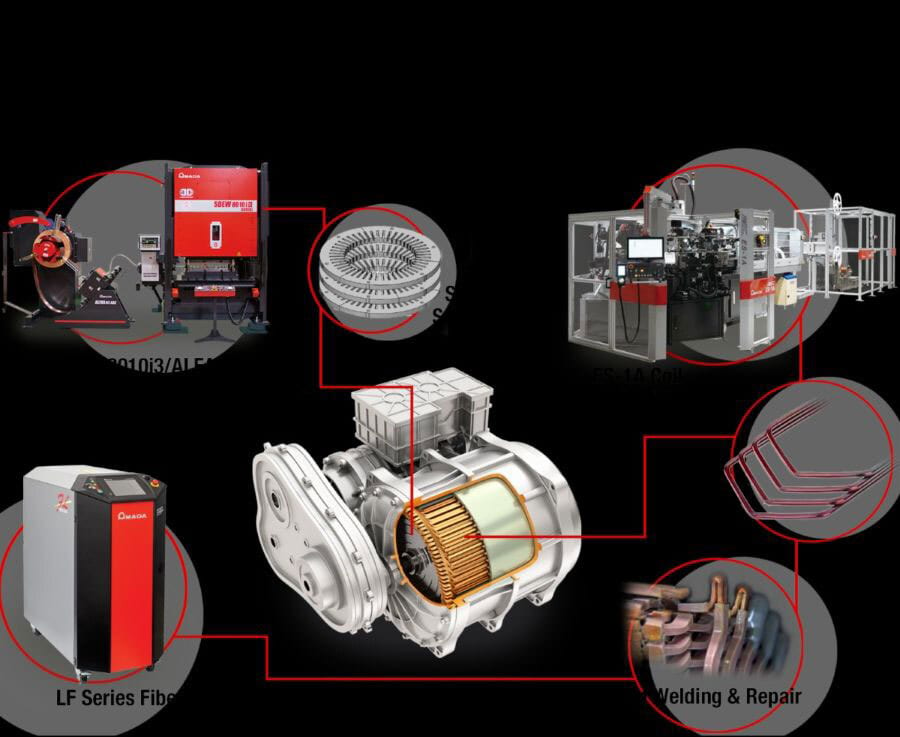
Welders and Presses Streamline EV Motor Assembly
Amada One is an integrated system that enables electric motor manufacturers to improve quality control, streamline workflow, reduce operational cost and accelerate the development of next-generation products. Assembly systems include laser welding, micro TIG welding and resistance brazing, in addition to hairpin forming and stator stamping. Products such as the ES-1A 48-axis coil processing machine, the SDEW-i3 GORIKI series of presses and the ALFAS-03ARZ NC roll feeder enhance consistency while eliminating the need for large-scale infrastructure.
Amada Weld Tech Inc.
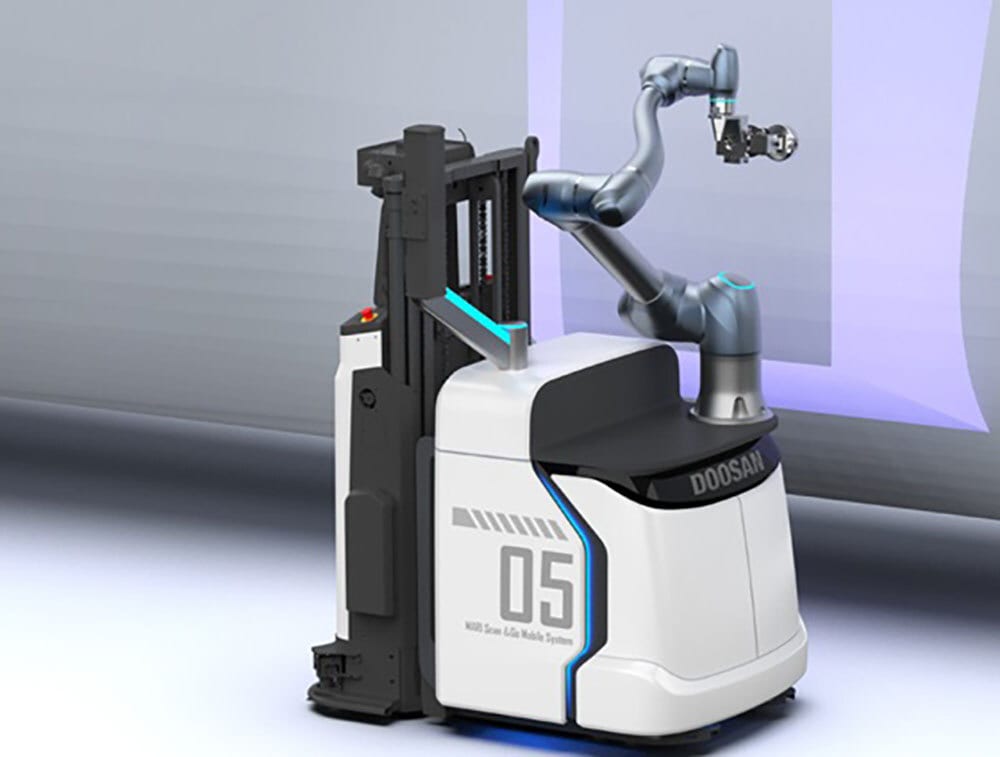
Mobile Robot Platform Operates Autonomously
The Scan & Go Autonomous Robotic Solution is an AI-powered system designed to process large composite parts such as aircraft fuselages and car bodies. It features cognitive learning, physics-based intelligence and laser-based 3D-vision technology to interpret complex geometries in real time. Optimized tool paths are generated directly from point-cloud data, which eliminates the need for CAD modeling or code programming. The system adapts its movements to perform complex, high-accuracy tasks such as grinding, sanding and inspecting parts.
Doosan Robotics Inc.
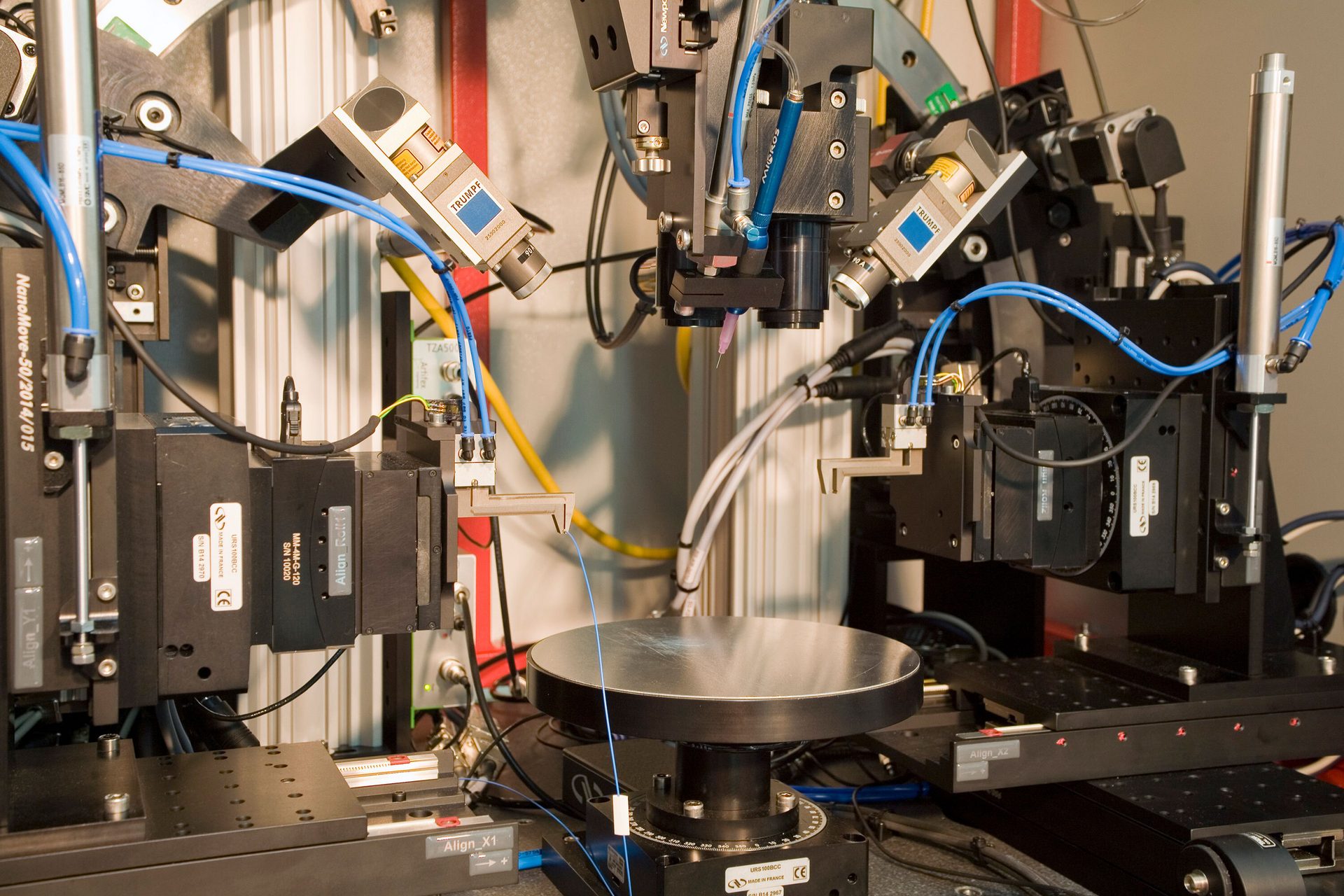
Modular Hybrid Platform Assembles Optoelectronic Components
NanoHybrid is a flexible platform that combines epoxy bonding, laser welding and selective laser soldering in a single system to assemble optoelectronic components that require maximum precision and permanently stable connections. It enables manufacturers to select the optimal joining process without changing equipment, depending on the material mix, thermal load profile and degree of integration. Regardless of the joining process selected, components are first optically aligned for maximum coupling and then permanently fixed in position. This minimizes coupling losses, improves the quality of the joint, and increases reproducibility, even for complex assemblies.
Nanosystec GmbH
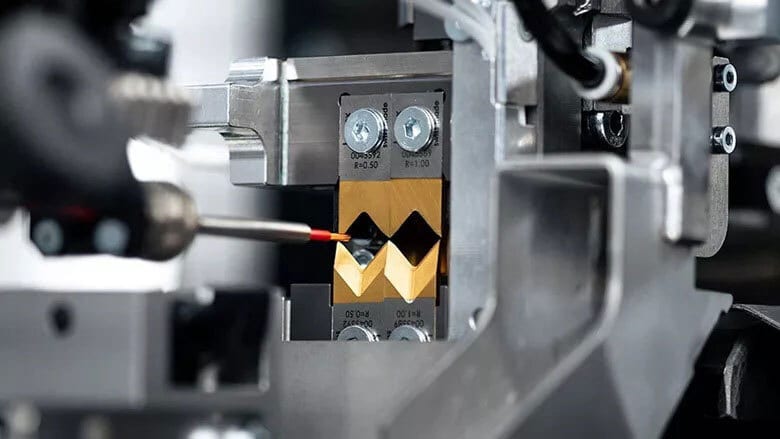
Wire Stripping Machine Automatically Adjusts Blades
Adaptive Incision Control technology is used in fully automatic crimp-to-crimp machines and semiautomatic wire stripping machines. It continuously compares the defined maximum incision notch depth with the actual cut on the wire, automatically adjusts the incision diameter and compensates for wire tolerances. Wire ends exceeding the permissible notch depth are detected and sorted out. This ensures quality and reduces scrap. The standard operating range covers cross sections from 0.13 to 6 square millimeters. Full or partial stripping of any wire length is possible.
Komax Group
February 2026 | ASSEMBLYMAG.com