MONTH 2023

Manufacturing Software
Labor shortages are driving new demand for automation.
Options for Screwfeeding
Subaru established a companywide team—the Cost Innovation Promotion Department—to address cost-related challenges related to manufacturing the next generation of vehicles. Photo courtesy Subaru Corp.
Software leverages AI to aggregate, analyze and extract design data to help engineers create better products.
PDM
Subaru Saves Time
Software
John Sprovieri // Chief Editor
The automotive industry is experiencing a once-in-a-century transformation, driven by the convergence of four technological trends: connected vehicles, autonomous vehicles, shared vehicles and electric vehicles. This transformation demands not only product innovation, but a total revolution of manufacturing processes.
To meet that challenge, Subaru Corp. created a new management strategy, the “One Subaru” initiative. The strategy emphasizes a flexible and agile organizational culture, closely integrating manufacturing, development and the supply chain to enhance productivity.
Within this context, Subaru established the Cost Innovation Promotion Department to address cost-related challenges and formulate strategies across the organization. Subaru aims to be at the forefront of manufacturing innovation and value creation.
For manufacturing, one significant goal is to halve the number of processes, components and steps involved in production, starting with the reduction of non-productive work. Subaru began with the process of turning CAD drawings and design specifications into production parts, whether they were to be made in-house or by a supplier.
Subaru’s existing process required specific information, such as part numbers or design notification numbers, to search for drawings. This often necessitated inquiries to the design department, with responses taking up to one or two weeks. Even within the design department, finding drawings was challenging for those working in different areas or with less experience.
Subaru sought ways to leverage its accumulated drawing assets to reduce non-productive tasks. The company identified CADDi Drawer, a cloud-based manufacturing data platform from CADDI Co. Ltd., as a potential solution.
“I have about 20 years of experience in design,” says Kei Matsumura, an engineer with Subaru’s Cost Innovation Promotion Department. “In my design work, searching for drawings took up a significant amount of time. I always felt that if I had more time, I could engage in work that added more value.”
When Matsumura learned about CADDi, it resonated with him, as he knew that it could reduce the tedious searching and unlock valuable additional time to do meaningful work.
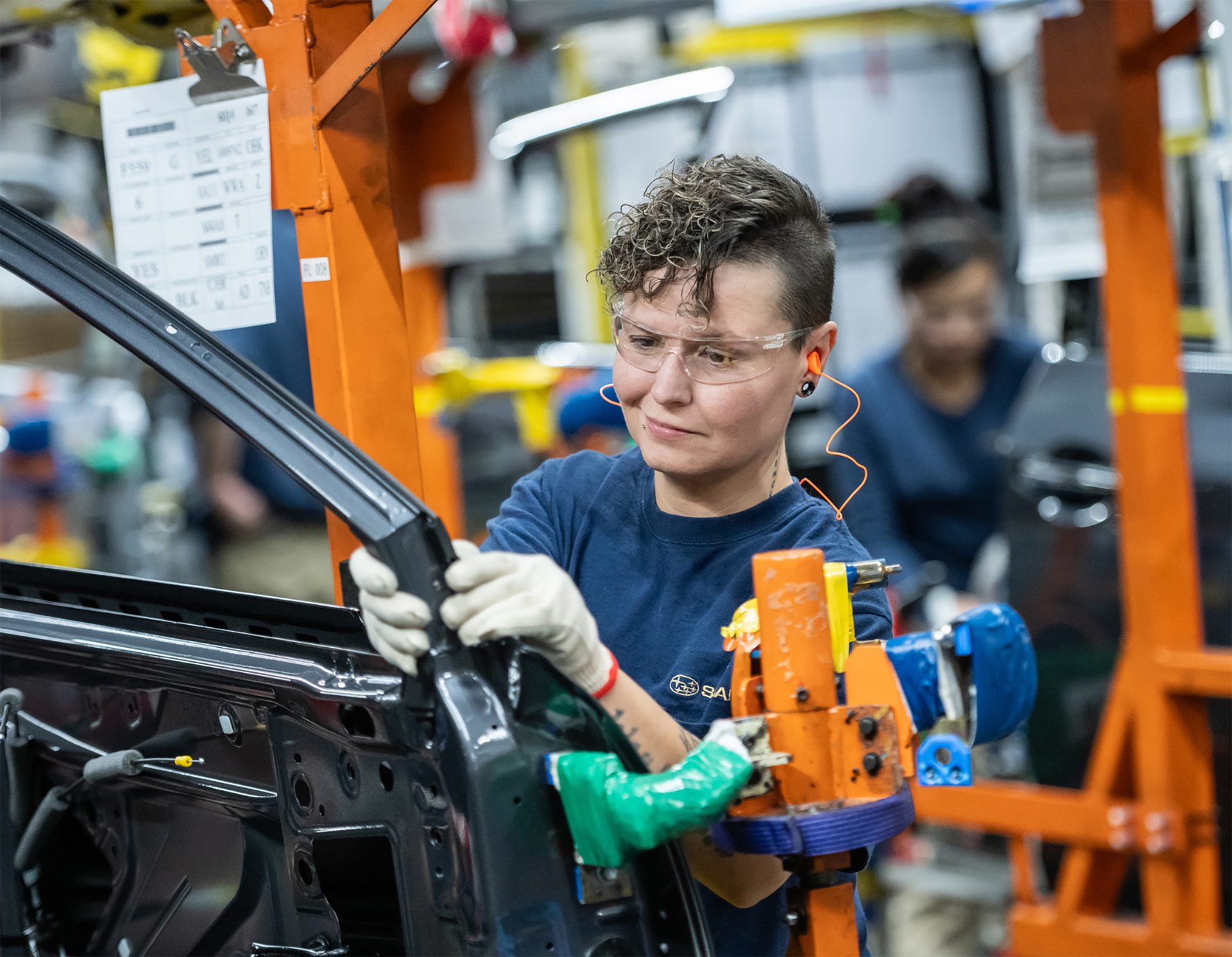
CADDi software uses AI to parse design drawings, documents and supply chain data. Photo courtesy Subaru Corp.
A Better Way
CADDi software leverages AI to aggregate, analyze and extract everything needed from design drawings and data to produce better products. Manufacturers upload their technical drawings and documents into CADDi—even hand-drawn ones. The software then parses those drawings, documents and supply chain data with AI technology. It extracts important information and structures that data into a data lake that can be referenced, imported or exported.
Part drawings serve as the thumbnail through which engineers access data. There’s no need to click into file folders to find information. Engineers can use key words, similarity, or image search to instantly find the drawings and documents they’re looking for.
Engineers can find similar drawings, identify differences between drawings, compare suppliers for a specific part, and annotate drawings and documents. CADDi links documents to drawings based on the drawing number, including quality inspection reports, meeting minutes, design change notices, and corrective action reports.
Once engineers find the parts they are looking for, they can download every piece of associated data as a CSV file for analysis. They can also create up to 20 custom tables using any data from their spreadsheets, including manufacturing, pricing quotes, sales, process and purchase data.
Engineers can even visualize parts in 3D within the software and review measurements without switching back to engineering tools.
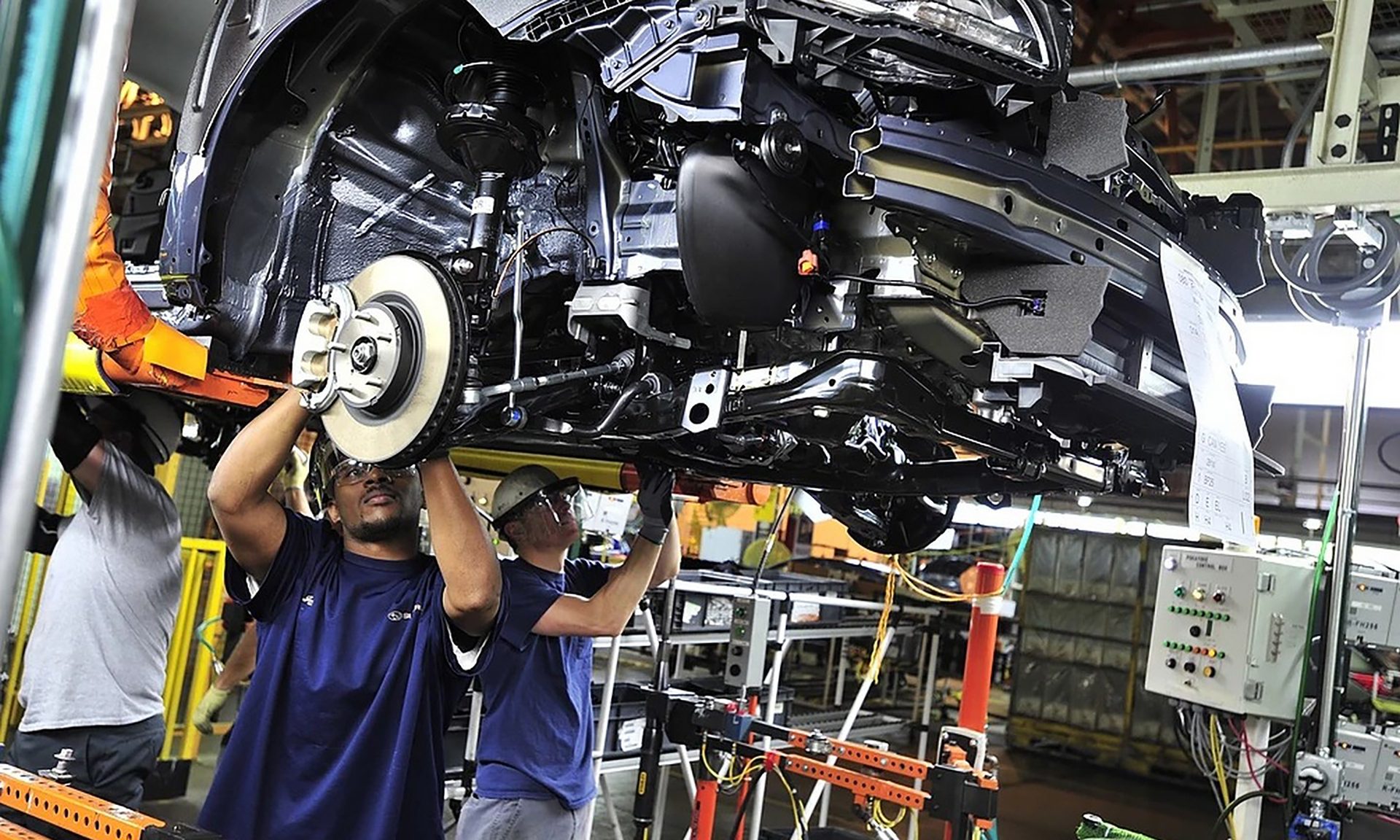
Using CADDi software, engineers can analyze similar designs with different costs to understand where the cost differences come from. Photo courtesy Subaru Corp.
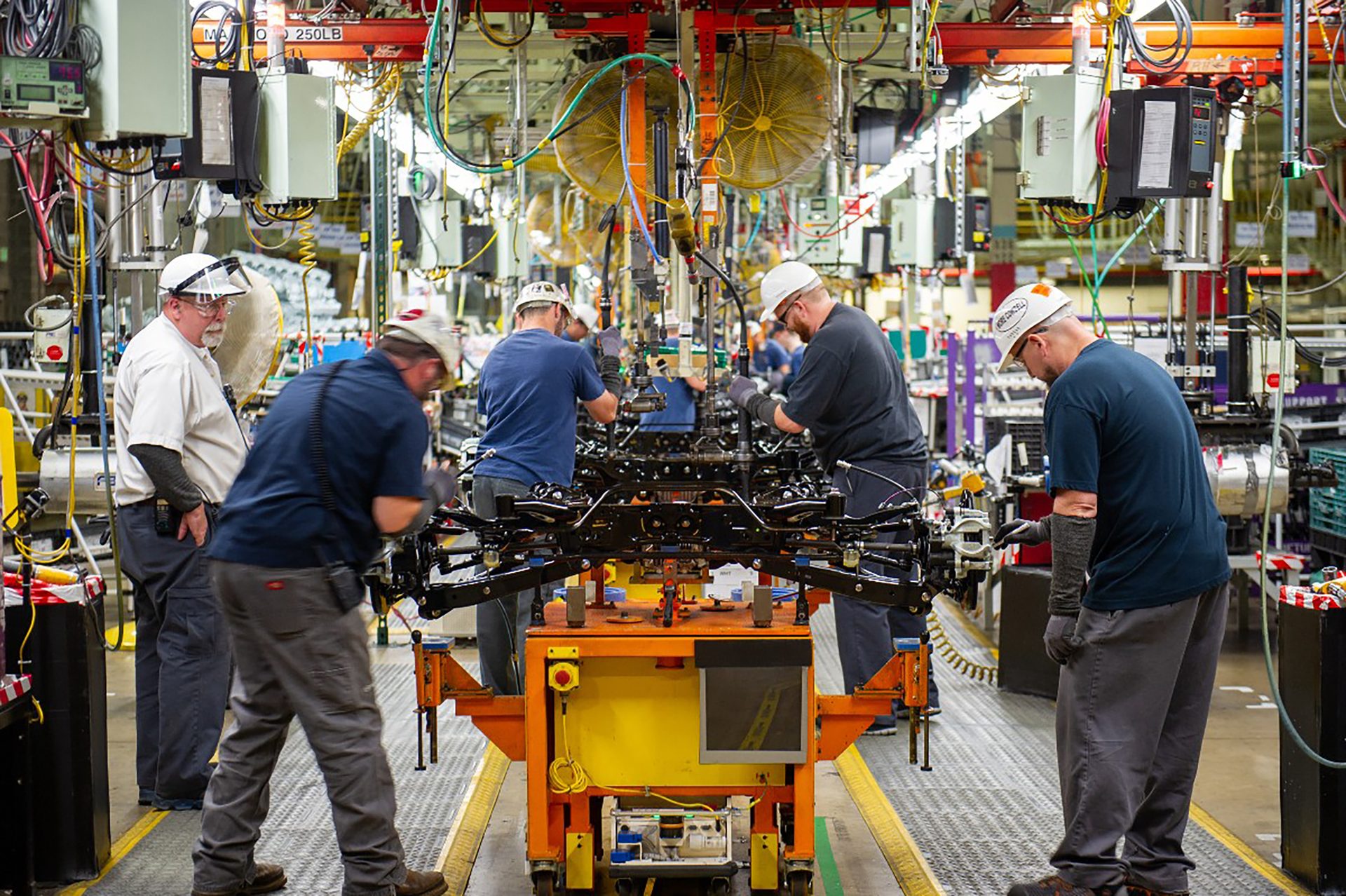
With CADDi, sales teams enjoy faster and more accurate estimates by referencing linked machining information. Photo courtesy Subaru Corp.
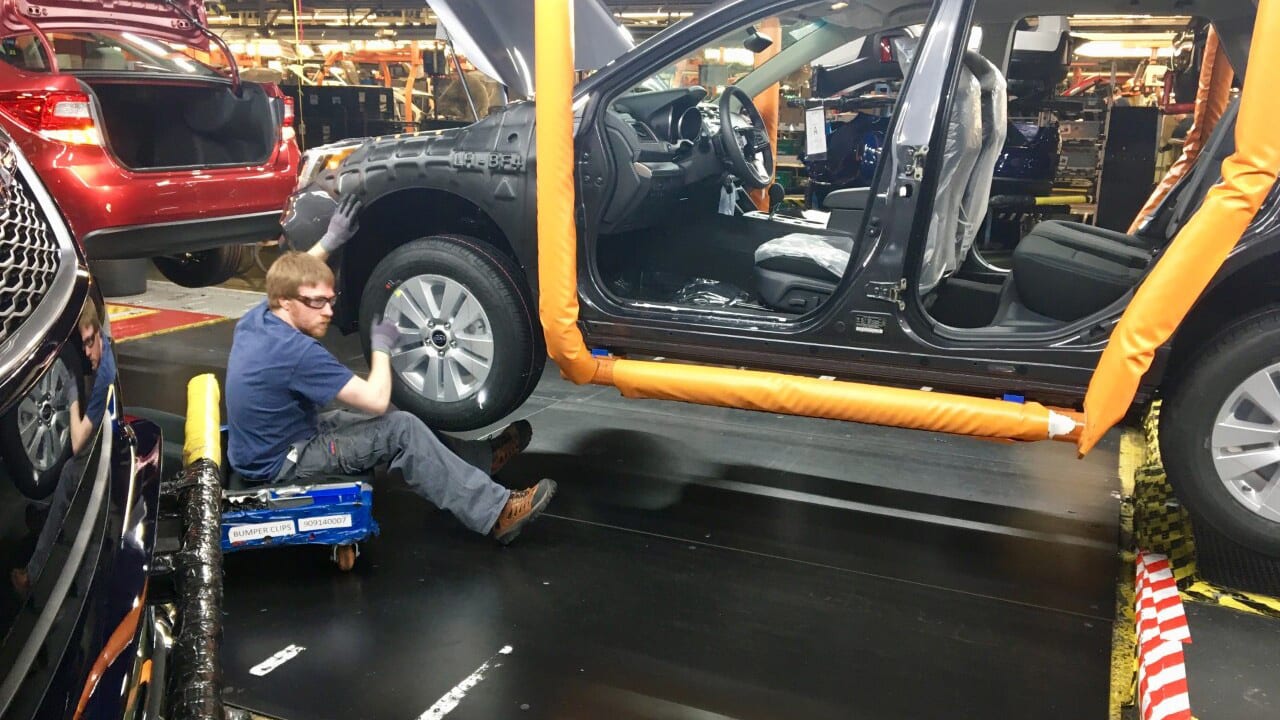
With CADDi, procurement specialists can uncover hidden cost reduction opportunities by searching for patterns in order records. Photo courtesy Subaru Corp.
CADDi software has applicability throughout a manufacturing enterprise. Sales teams enjoy faster and more accurate estimates by referencing linked machining information. Procurement specialists can uncover hidden cost reduction opportunities by searching for patterns in order records. Engineering reduces design hours and prevents duplicates by making past designs easy to find.
Following the introduction of CADDi, Subaru succeeded in reducing the time spent on drawing searches by several hundred hours per month. As use of CADDi expands across departments, these time savings are expected to multiply.
“Many data management solutions focus on merely accumulating information, but CADDi allows us to analyze and utilize the data within the same system,” says Masateru Ido, an engineer from the Cost Innovation Promotion Department.
Finding cost reduction opportunities requires quick and consistent access to data. Let’s say, for example, that there are two similar designs with different costs, and engineers want to understand where the cost differences come from. Before CADDi, Ito would have to request this sort of information from the design team, often waiting over a week for a response. With CADDi, he could immediately find the information he needed himself.
The introduction of CADDi has also contributed to talent development. Previously, new employees had to be guided to specific drawing numbers to search for the right documents. Now, they can search for drawings by product name or material using keywords, making it easier to find the information they need without involving senior employees and taking them away from valuable tasks.
“Before, if you didn’t know the drawing number, you couldn’t search for a drawing. Even if you wanted to inquire, you’d first need to figure out who to ask,” Matsumura recalls. “Now, even without the drawing number, you can search by part name. For example, typing ‘bumper’ will immediately bring up the relevant drawing, making information much more accessible.
“The amount of information that can be referenced for decision-making has increased dramatically since CADDi Drawer was introduced. Moreover, the cycle of researching and obtaining information by oneself enhances learning, and those using CADDi Drawer are undoubtedly becoming more skilled.
“The new value creation, evolution in creativity, and the impact on human resource development are immeasurable. Moving forward, I hope CADDi Drawer will further energize communication, serving as a starting point for projects from planning through after-sales, involving the entire supply chain. Our goal is to create an environment where everyone uses it.”
The Cost Innovation Promotion Department is now spreading the word about CADDi across the rest of Subaru. As a result, the number of proactive users across departments is steadily increasing.
“When we talk to users, they tell us they can’t imagine working without CADDi anymore,” says Yuji Otani, an engineer with the Cost Innovation Promotion Department.
Subaru aims to standardize CADDi Drawer across the company. Management envisions a future where CADDi Drawer is the first tool employees turn to, not only in design and manufacturing departments, but also in subsidiaries, overseas affiliates and suppliers.
For more information on design management software, click here.
Inspection System
ASSEMBLY ONLINE
For more information on design software, visit www.assemblymag.com to read these articles: