MONTH 2023

ASSEMBLY LINES
Cobots May Enable Autistic Adults to Thrive in Manufacturing
BLACKSBURG, VA—Autistic adults face lower employment rates than their equally qualified peers, in part because many workplaces don’t meet their needs. Meanwhile, as manufacturers struggle to find skilled workers, they may be overlooking the autistic talent pool.
Engineers at Virginia Tech University believe that collaborative robots may help solve both problems. They are working on an R&D project with multidisciplinary colleagues from George Washington University and the University of Notre Dame.
The initiative is grounded in self-determination theory (SDT), a psychology framework that says people thrive when three basic needs are met: autonomy, competence and relatedness.
The goal is to apply artificial intelligence technology to the theory and design cobots that would be stationed near autistic or neurodiverse employees on an assembly line. The machines could be used to provide responsive feedback, set work pace and foster interaction that boosts a worker’s sense of autonomy and competence.
Collaborative robots can foster interaction that boosts a worker’s sense of autonomy and competence. Photo courtesy Virginia Tech University
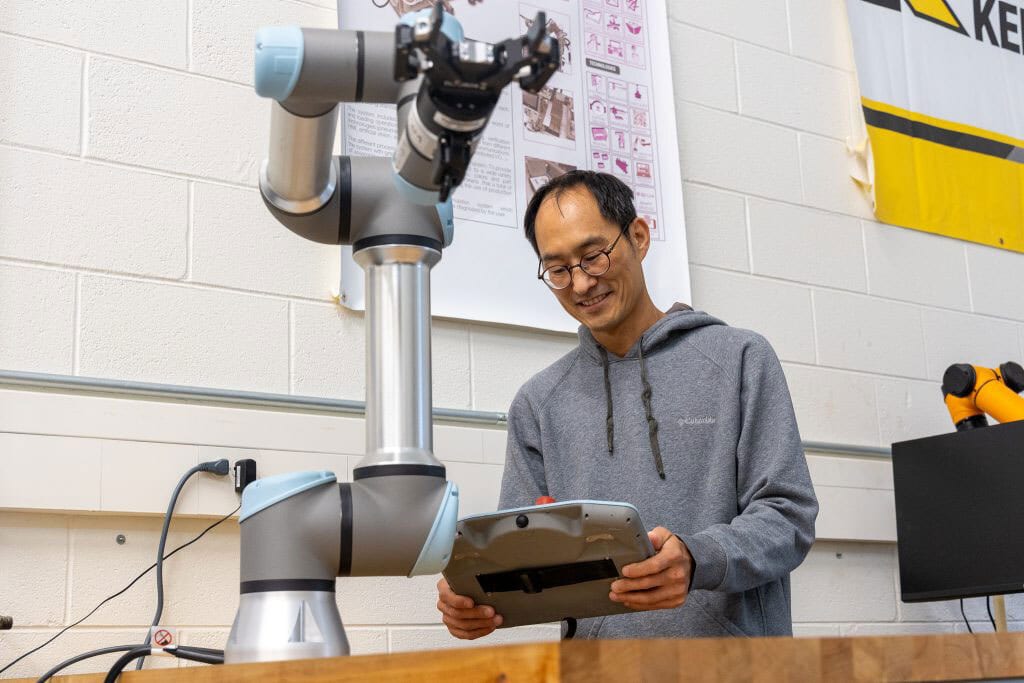
“One of the reasons we’re focused on autistic individuals is that they often face challenges finding employment, despite being as intelligent and capable as their peers,” says Sunwook Kim, Ph.D., an associate professor of human factors engineering and ergonomics at Virginia Tech who’s heading up the project.
“We were noticing how difficult it was for undergraduates on the spectrum to get lab experience and the kind of work needed to secure internships, co-ops and eventually jobs,” explains Kim. “With all the advances in AI and smart technologies, now is a good time to focus on human-centered design in industrial environments.
“Manufacturing is a pivotal domain right now because…smart technologies are changing the landscape,” Kim points out. “Cobots are becoming more capable of interacting naturally with human workers. Most studies focus on physical aspects like reducing physical strain, but we want to look at broader aspects like well-being."
Kim and his colleagues plan to begin pilot studies, using sensors and simulated assembly tasks to understand how cobots can provide real-time support to autistic workers. They have formed a steering committee that includes autistic individuals with manufacturing experience to ensure their perspectives directly shape the research.
NIST Report Calls for Sustainable Metals Infrastructure
GAITHERSBURG, MD—According to a recent report from the National Institute of Standards and Technology (NIST), the United States needs to develop a more sustainable and resilient metals processing infrastructure.
The goal is to ensure that metals are used and reused more efficiently throughout the entire material life cycle, including mining, alloy design, manufacturing, reuse and recycling.
“Making metals processing more sustainable and resilient against supply chain disruptions and resource scarcity is key to promoting U.S. innovation and industrial competitiveness, while strengthening economic and national security,” says Andrew Iams, Ph.D., a materials research engineer at NIST who co-authored the report. “Meeting these challenges requires a new approach in how to source, process, use and recycle metals.”
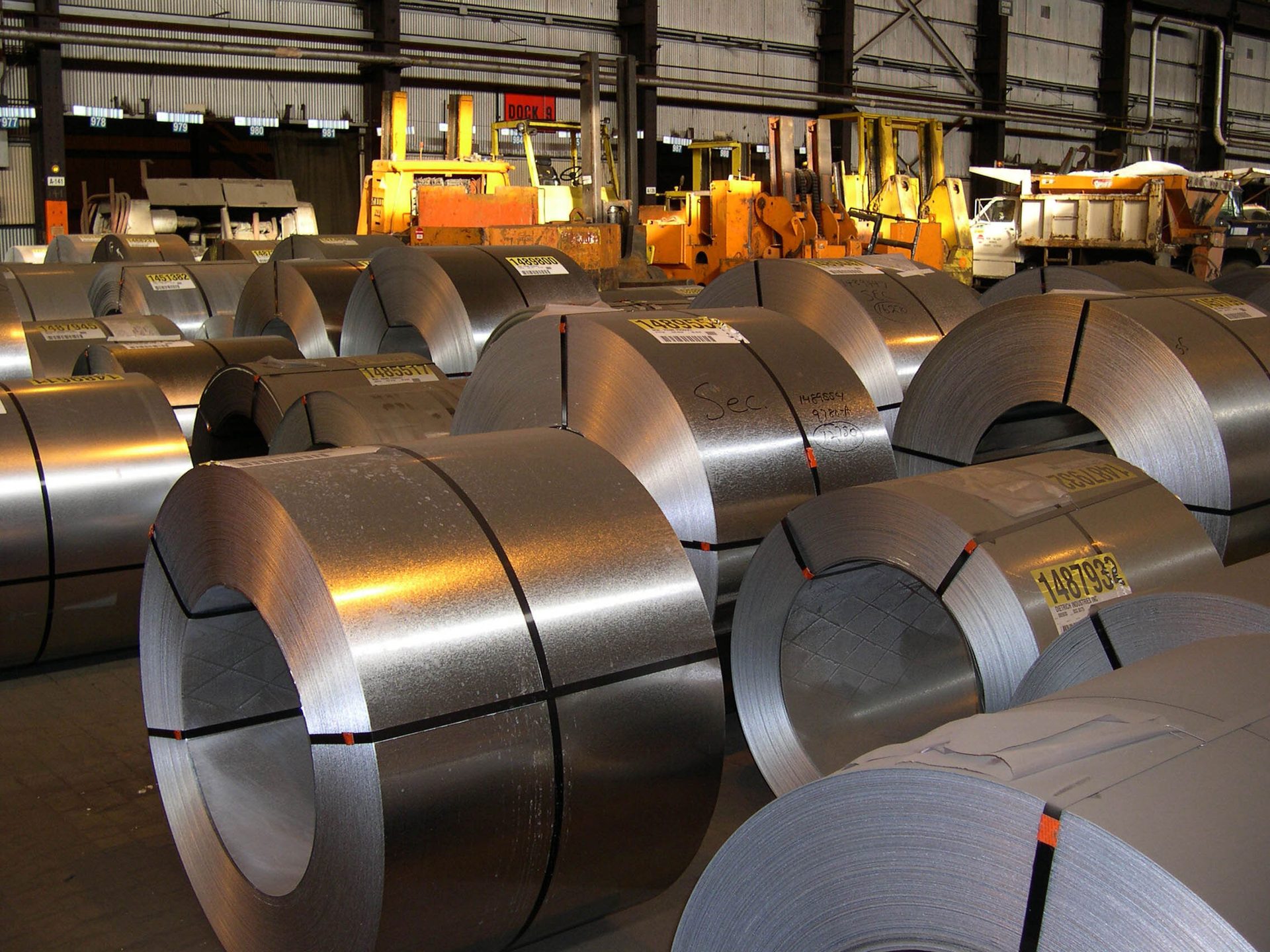
The United States needs to develop a more efficient, sustainable and resilient metals processing infrastructure. Photo courtesy United States Steel Corp.
The report covers various topics related to metals manufacturing, from new technologies for extracting and processing bulk materials, like aluminum and steel, to developing new modeling and data tools to design advanced alloys. It highlights the importance of critical materials, including minerals containing lithium and cobalt that are key to manufacturing batteries, medical devices, semiconductors and smartphones, as well as superalloys used in military hardware and jet engines.
“These materials can be challenging to obtain due to limited availability and the risk of supply chain disruptions,” explains Iams. “Industries can address these issues by diversifying their supply chains with new sources, identifying substitute materials and improving recycling methods to enable greater recirculation of existing materials."
The report also highlights the need to improve standards for metals reuse and recycling. For instance, Iams believes that better standards can make the separation of metals for recycling more efficient, reducing industry costs. New certification programs can help ensure that products made with recycled content meet performance standards, which could expand the market for recycled materials.
New Initiative Focuses on Robot Communication
FRANKFURT—Industrial robots are the central components of digital and networked production. That makes it important for them to be able to communicate with each other, regardless of the manufacturer.
The VDMA OPC Robotics Initiative is tackling the challenge and recently released version 1.02 of the OPC Robotics Companion Specification. It allows an OPC UA client to perform high-level control of robots, like loading programs and starting and stopping production.
OPC UA is not a communication protocol, but rather a communication technology. It is based on a service-oriented architecture and a server-client model. With the latest 1.02 update, remote operation of a robot system has now been enabled.
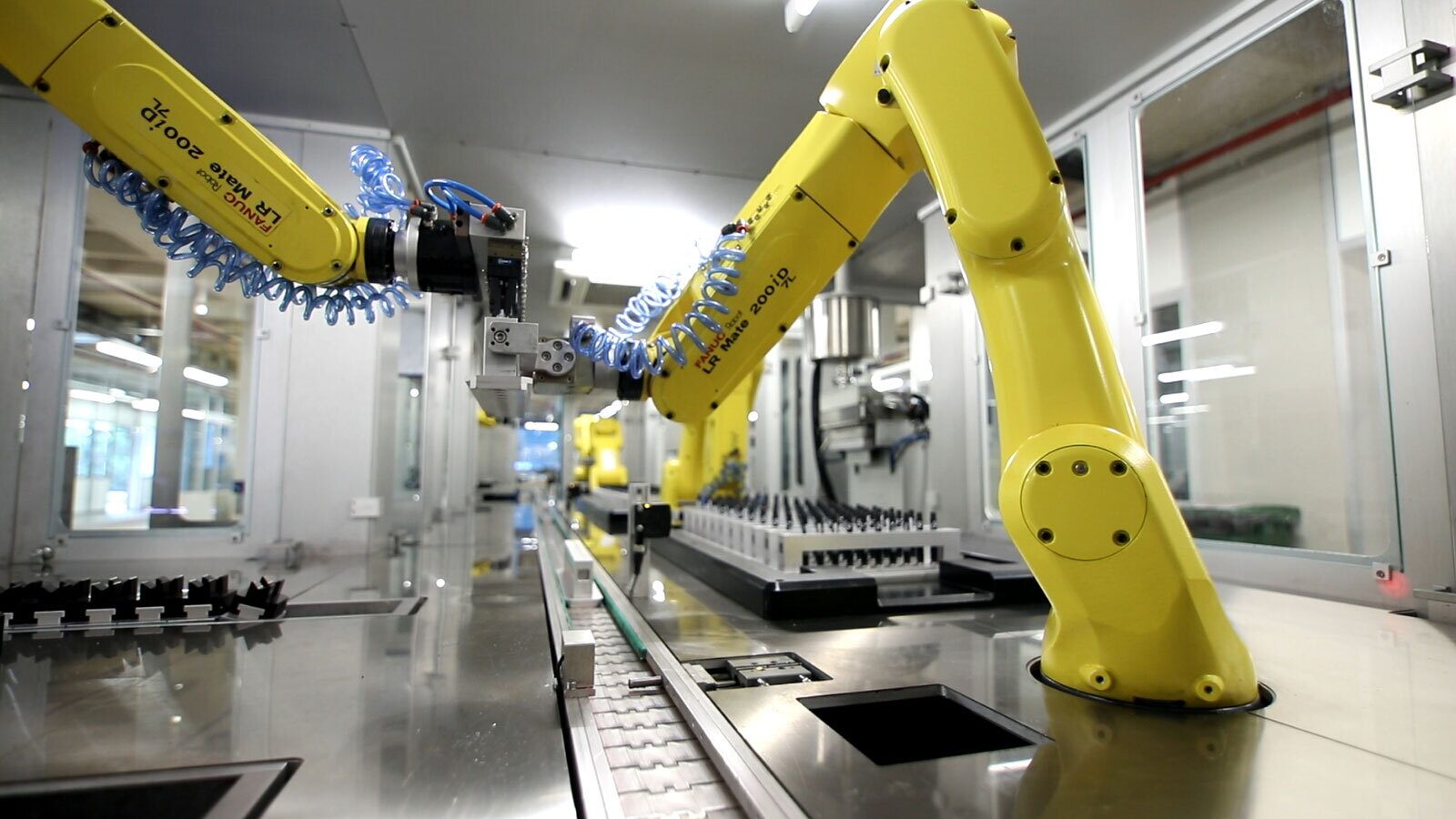
A new initiative will enable more robots to communicate with each other. Photo courtesy FANUC America Corp
“Part 1 of the companion specification addresses asset management, condition monitoring and remote operation,” says Øyvind Landsnes, a senior principal R&D engineer at ABB Robotics who is working on the project. “The model provides vendor independent access to asset information of all integrated robot systems and their components. It also provides a comparison of the statuses and parameters over many installed systems, which allows for the identification of anomalies.”
According to Landsnes, OPC Robotics stands for a complete motion device system that includes a list of motion devices. Motion devices can be any existing robot type or even a future robot type, yet to be conceived.
“Before OPC Robotics, there was no unified interface standard for robots,” claims Landsnes. “Users want one common standard for vendor-independent access. More data should be usable in cloud applications, as well as in high level manufacturing systems.”
“Industrial robots are no longer isolated systems,” adds Stefan Hoppe, president and executive director of the OPC Foundation. “They are becoming intelligent, fully integrated assets within the digital factory. Thanks to OPC UA, robots can now speak the same language as the rest of the automation world.
“This achievement by the VDMA OPC Robotics Initiative is not only a milestone for Industry 4.0, but also a key enabler for the broader vision of digitalization, from the shop floor to the cloud, into data spaces and initiatives like Manufacturing-X or Catena-X,” says Hoppe. “OPC UA provides the common modelling language and serves as the foundation for secure, interoperable information exchange across all layers of industrial and digital ecosystems.”
Research Project Aims to Expand Aluminum Use in Auto Industry
ANN ARBOR, MI—The University of Michigan College of Engineering and Norsk Hydro have embarked on a five-year research project that aims to advance aluminum recycling in the auto industry.
The initiative includes the establishment of the Center for Recycling, Extrusion and Aluminum Technology (CREATe). It builds on an effort already underway, funded by the U.S. Department of Energy, to establish a Midwest circular economy in automotive aluminum.
“This partnership brings together top minds in materials science and manufacturing to expand what’s possible in recycling aluminum, a metal that packs incredible strength into a lightweight form and has become one of the world’s most widely used engineering materials,” says Karen Thole, Ph.D., dean of engineering at the University of Michigan. “[We] see tremendous potential in this research and this region to shape a more resilient future together.”
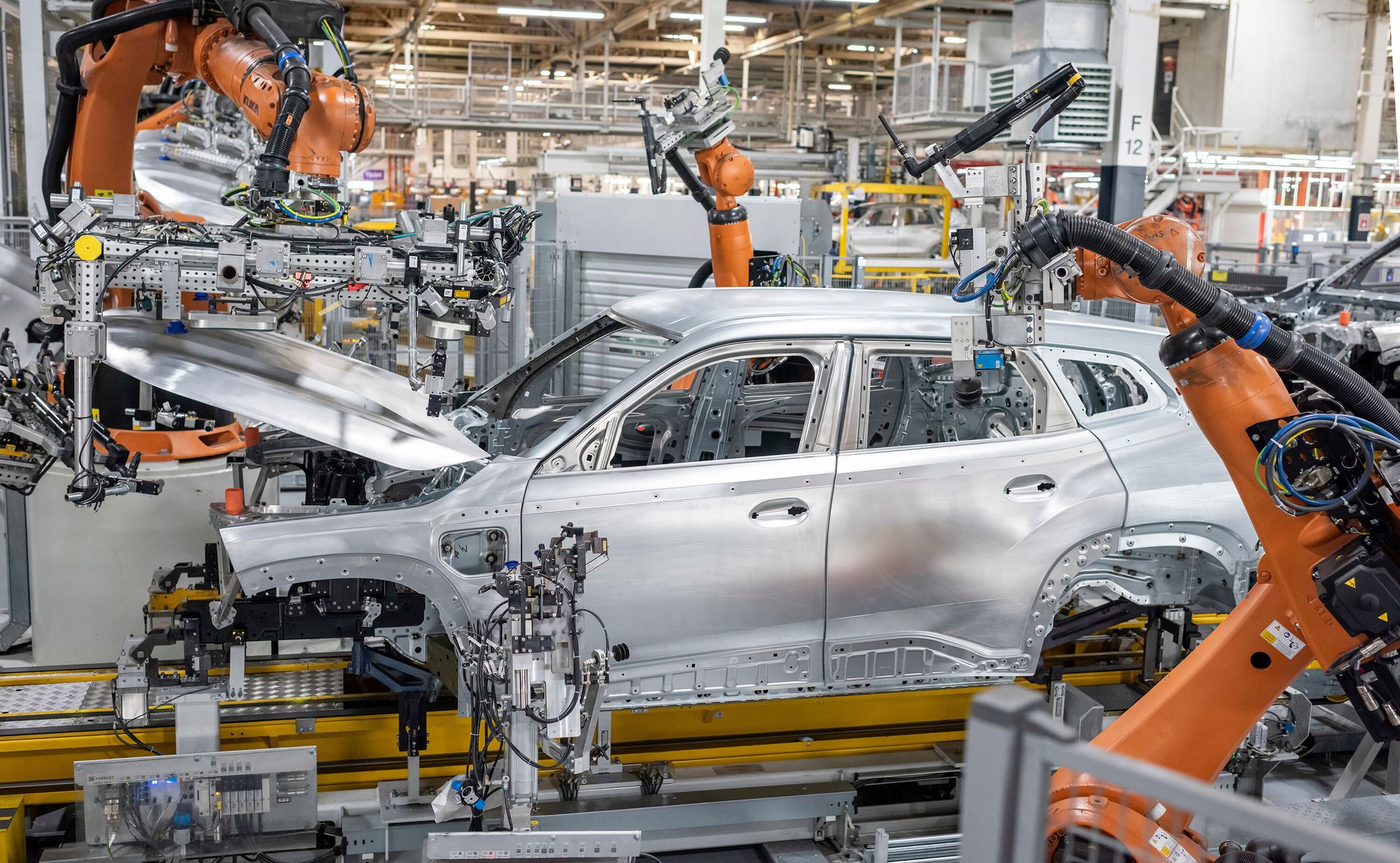
A new research project aims to advance aluminum recycling in the auto industry. Photo courtesy BMW AG
“Demand for aluminum has been increasing over the past decade as its utility in energy efficiency became apparent,” adds Eivind Kallevik, president and CEO of Hydro. “Lightweight aluminum alloys contribute to better fuel economy in cars and trucks, and they’re essential components of solar panels and power lines.”
While aluminum is considered endlessly recyclable, each cycle introduces impurities—especially iron—that can weaken the metal and limit its use in high-performance applications. The goal of CREATe is to develop aluminum alloys that remain strong even after multiple life cycles. It includes three projects focused on how to address impurities.
One team will explore whether adding chemical elements to alloys can effectively change the shape of iron-based impurities so they no longer make the alloys more brittle.
Another group of engineers will take aim at iron impurities with an electrical, rather than chemical, approach. They’ll explore whether applying a low electric current to recycled aluminum while it’s solidifying can reduce the effect of iron impurities.

A third team will use advanced computational tools and experiments to design alloys and processes that can tolerate higher percentages of recycled material.
Hydro is one of the world’s largest aluminum companies. It opened a $150 million metal recycling plant in southwest Michigan in 2023 as part of a push to grow its U.S. manufacturing capabilities. The company also operates two R&D facilities in that state that focus on recycling and extruded products.