MIND YOUR P's AND Q's
JOHN QUIGLEY // PRESIDENT // Value Transformation LLC
CONTACT
JOHN
When Documented Work Instructions Don’t Match Reality

Tribal knowledge, such as a unique method of soldering a specific component, is often lost when an assembly line is transferred to another location.
Every manufacturing pro has seen it happen: A company prepares to relocate or replicate a successful line. Stacks of documented work instructions, procedures, gauges, tools and standard operating procedures are checked off the list. The project team expects a smooth ramp-up at the new site. Yet, launch week brings chaos—cycle times plummet, quality metrics drop, and morale suffers. The culprit? The documented work instructions, meticulously prepared for the move, don’t match the way the job is done on the floor.
This is not just about relocating the assembly line; it is also closely tied to the company’s ongoing improvement efforts. Manufacturers must record these improvements to retain tribal knowledge and ensure continuity of the line’s performance. However, from experience, this is not always the case. We do not capture these improvements. Decisions on future line improvement are predicated on a quantitative understanding of the present manufacturing system and associated work instructions.
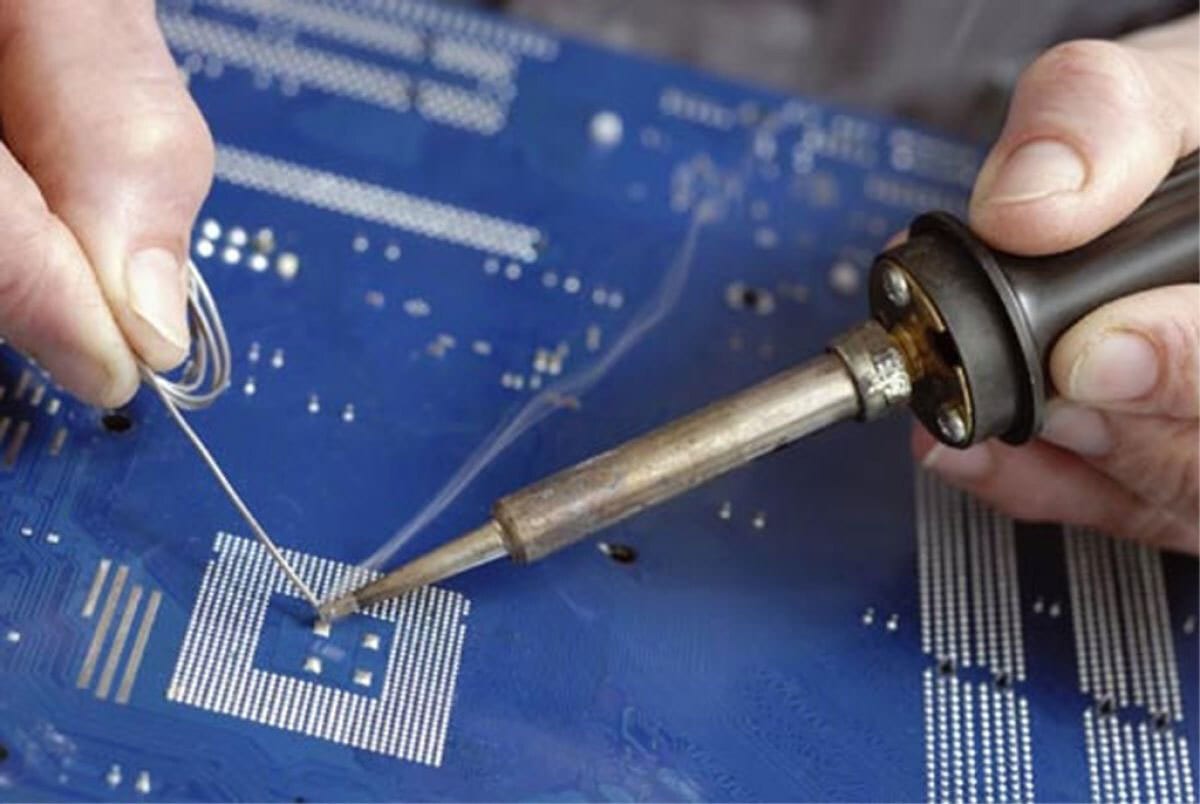
Tribal knowledge, such as a unique method of soldering a specific component, is often lost when an assembly line is transferred to another location. Photo courtesy Altium
The Documentation vs. Reality Gap
In modern assembly plants, the workflow is divided into two worlds: the “as documented” (official procedures, process sheets, and PFMEA instructions) and the “as performed” (the reality on the line). Over time, operators and technicians develop minor adjustments and creative workarounds—whether to tackle tricky part fits, compensate for equipment quirks, or boost speed as deadlines loom or when material logistics and availability are a concern. These techniques rarely find their way back into the official documents. Sometimes these workarounds become commonplace and have a latent impact on product quality. For these defects, we must trace the documentation to identify the source, even when the assembly method is not explicitly documented.
This gap is no accident. Aging machinery drifts from its original design intent, materials change, and continuous improvements often outpace the document control system. As a result, what’s printed doesn’t always reflect what works. Finding the root cause becomes improbable unless we realize the problem may originate with the build that was not performed according to the processes.
Risks in the Assembly Line
Relying solely on documentation during line moves can expose organizations to significant risks. Recently, a manufacturer called us to solve a problem. The company’s procurement team was not happy with a specific supplier. The procurement team asked us to “get the company out of the supplier,” and we responded that there were numerous factors involved, including the need to purchase sufficient material from the supplier to keep the assembly line operational. Additionally, any latent product discovery, defect or opportunity would not be responded to.
It is not so easy to move an assembly line; it involves much more than the mechanics of shipping. If you are inclined or forced to relocate an assembly line, you should consider the risks to throughput, quality and first-pass yield.
Handing over only written instructions raises the odds of defects, missed subtleties, and rework. We aim to replicate the successes of the original line, despite documentation that may not fully capture the actual work methods. That’s why we are a big proponent of reviews. We have seen the benefits of this in our own work over the years.
Throughput delays are another risk. New workers who are unfamiliar with undocumented fixes will struggle; and a slow ramp-up will endanger production goals. From experience, we will not have ready access to those who were on the line before the move. We have likely moved the line away from them.
Tribal knowledge—operator know-how about touch, feel and judgment—remains uncaptured, stranding new staff. Some documented procedures may still require a certain level of judgment or a feeling that is developed over repetition. When moving a line, manufacturers are well-advised to include a robust training budget to compensate for this change.
This is particularly important for regulated industries, which require alignment between process and record. Gaps can trigger costly audit findings or, worse, product recalls. In such cases, specialized tools, measurements and tracking may be employed to ensure the assembly line meets these requirements. These failures put the organization at risk, require recovery of the product, and perhaps even legal and monetary consequences.
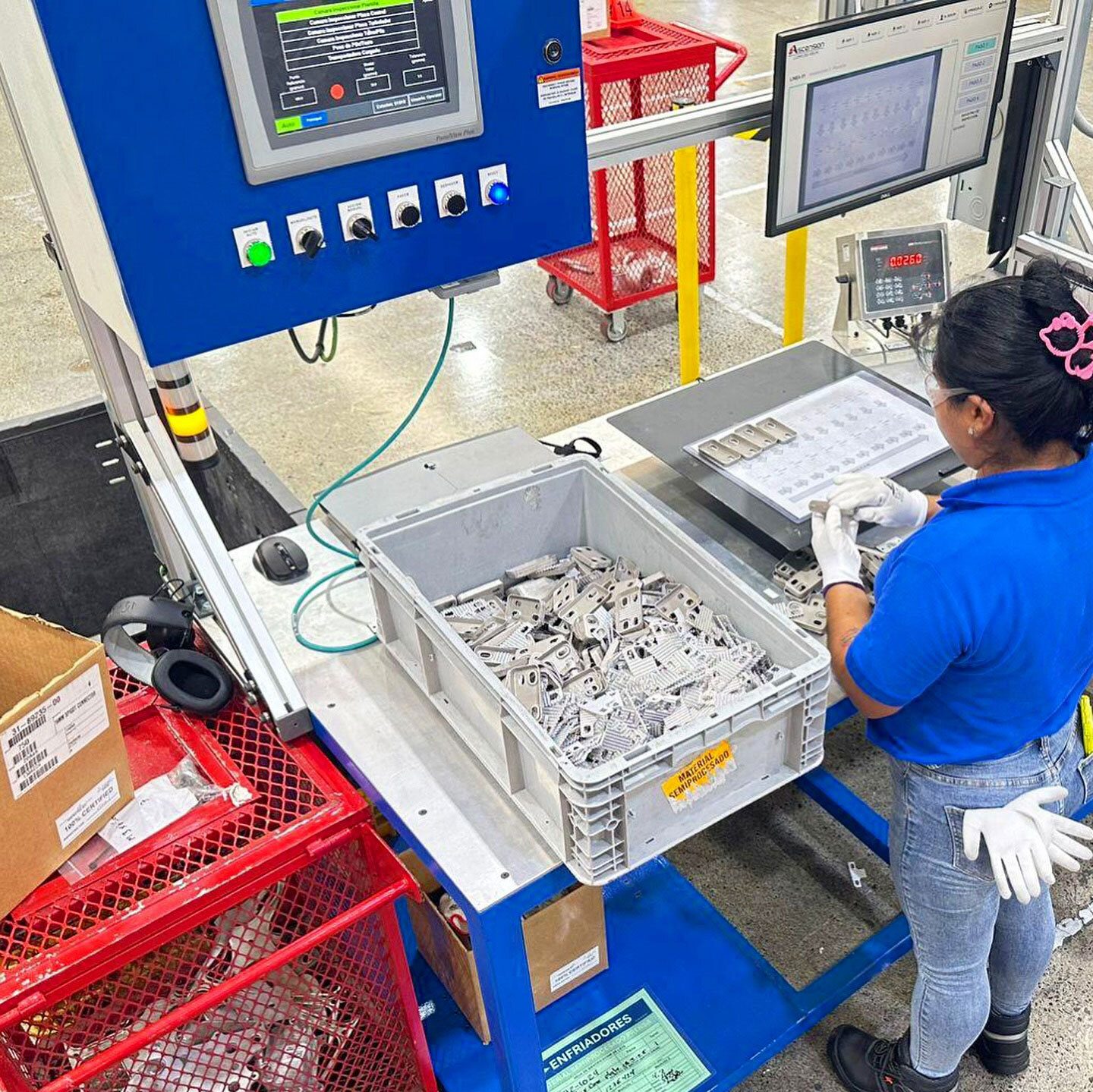
Often, documented work instructions don’t match the way the job is actually being done on the floor. Photo courtesy Ascension Automation Solutions
Real-World Example: When the Gap Bites Back
Consider a precision electronics supplier that transferred a mature subassembly line to an overseas location. The company’s documentation was up to date, and the team ran through a checklist. However, defect rates climbed post-launch. The root cause? Operators back home had always made a subtle hand-soldering motion to counteract thermal drift, a trick not mentioned anywhere. The “why” behind the touch was lost. Only after bringing an original assembler onsite did the team discover and bridge the gap. The line recovered—after weeks of waste.
To ensure that “as documented” processes match “as performed” processes, engineers will need to spend some time on the shop floor and account for any discrepancies before any line move. If there’s a continuous improvement program at your company, you will need to review the history of the program, capturing changes on the line and updating documentation accordingly.
Host “live” walk-throughs of critical processes, with both engineering and experienced floor staff, right before documentation is finalized. Spend time walking along the line, asking questions—after you have reviewed the documentation of how the line works. Those with tenure and those who are standouts in their areas are good candidates for time. The point is to compare the line as documented to the line as actually performed.
Supplement text instructions with video clips, highlighting subtle actions—tool angles, ergonomic moves, or nonverbal quality cues. A recording of the actual process strips away the reliance on recollection. Cameras are everywhere, and the ability to record can help you compare the actual to what is documented. Besides capturing the as-is, you are also recording material for training new personnel. Thank you, technology.
Conduct pre-transfer audits. Compare the step-by-step process in documents with the actual manufacturing steps performed to ensure accuracy before moving equipment. Address discrepancies immediately, finding the reason for the discrepancy and updating the documentation as required. The loss of this represents a loss of tribal knowledge, which is painful for the organization overall. New workers might relearn this knowledge on their own, but that is not continuous improvement. It’s more like rollercoaster approach to improvement.
It’s also a good idea to send people, not just paper. Temporarily relocating experienced assemblers can accelerate knowledge transfer and foster trust at the new site. Even after updating the documentation in advance of the move, we cannot expect to simply hand it over to the new folks and produce a stellar outcome.
Finally, engineers should implement formal feedback loops. Institute regular reviews so that every proven floor adjustment—no matter how minor—finds its way into the “official” record and PFMEA updates. This should be part of any continuous improvement effort. Keeping the documentation consistent with the actual steps on the manufacturing line will reduce the length of time spent in advance of the line move.
Line transfers can be make-or-break events. Even the best machines and clearest documents will falter if process knowledge is divorced from reality. Continuous improvement efforts, by definition, will affect both manual and automated manufacturing processes. Lasting success comes not from paperwork alone, but from respecting and integrating the living process, the combination of written records and practical wisdom that is kept in sync with the documentation. Treating both as assets ensures a resilient, high-performing assembly line, regardless of its location.
About the Author
The author of numerous books on project management, Jon has held engineering and management positions at Volvo Trucks, PACCAR and other companies. Email Jon at jon.quigley@valuetransform.com